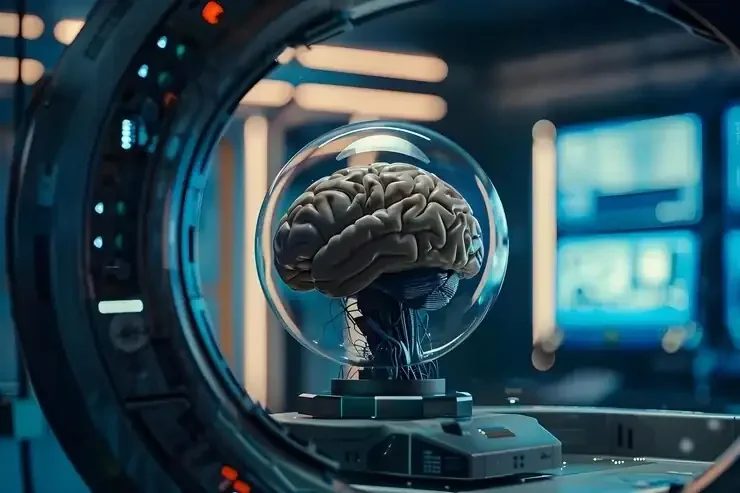
Redifing connection between mind and machine.

We are building the next generation of Brain-Computer Interfaces to unlock the full potential of the human brain.

Our goal arcticons

At iDigital’s Medical Research Division, we are reimagining surgical planning and training through immersive Virtual Reality (VR) environments powered by smart systems and adaptive design. Our platform delivers a modular, customizable solution tailored to the needs of brain and neuro focused procedures.
With ultra-realistic visuals and highly interactive simulations, surgeons can rehearse, collaborate, and refine their techniques in a controlled virtual setting before ever stepping into the operating room.
vision

Inside the Interface: A Journey from Brain to Device

1.Neural Signal Detection arcticons

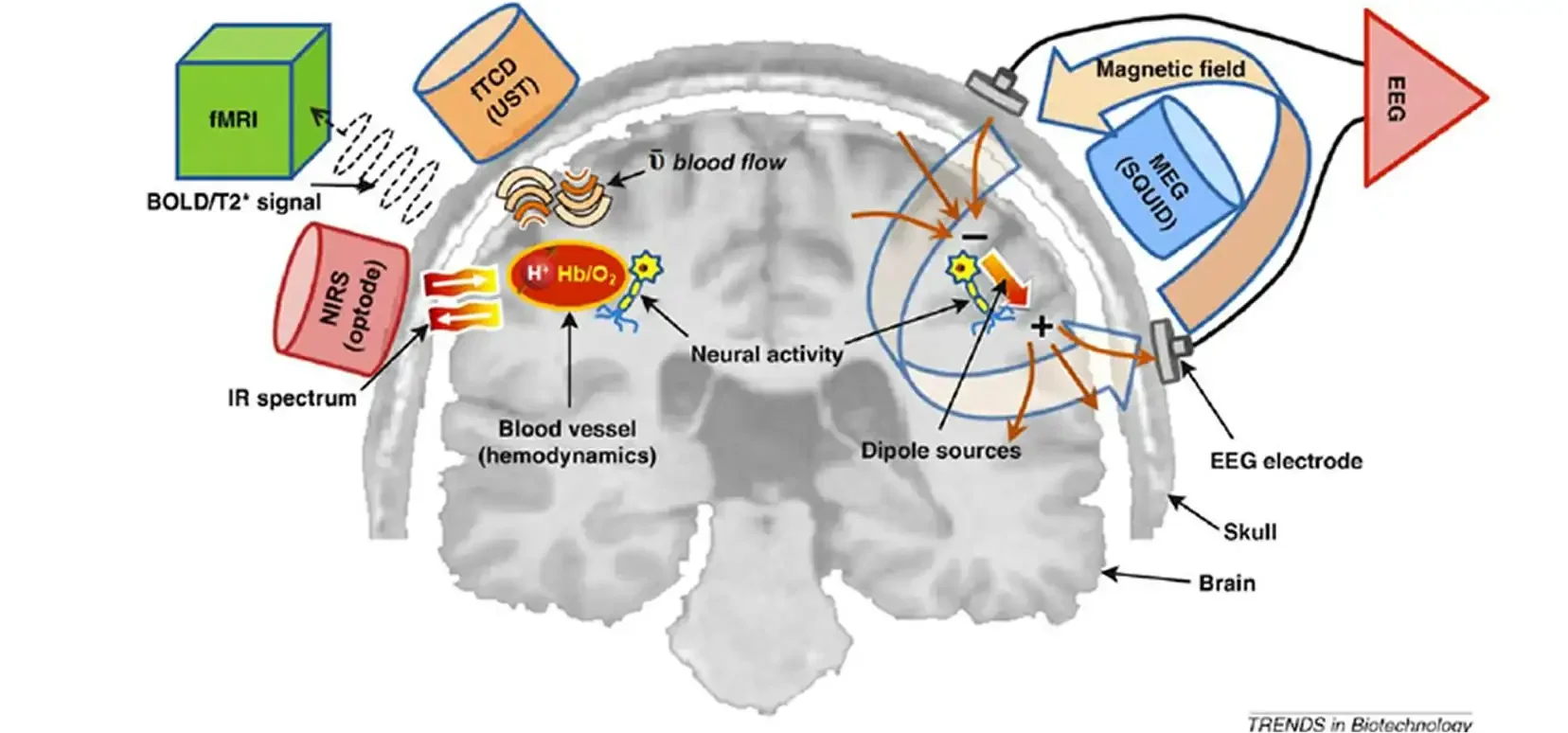
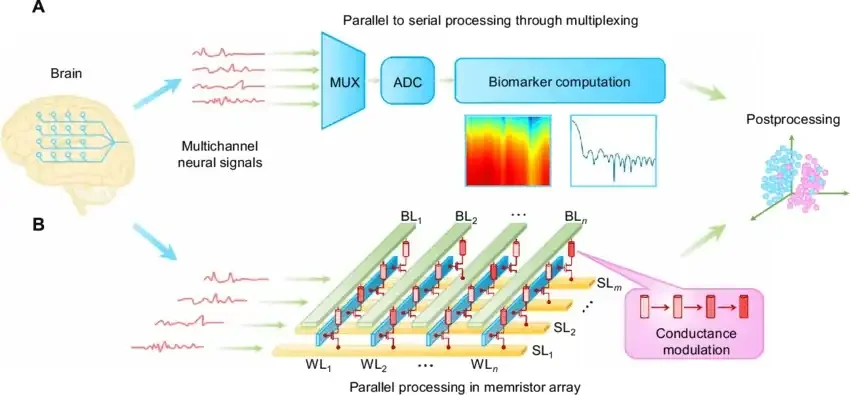
The system begins by detecting neural signals from specific regions of the brain using advanced sensors. These sensors capture the brain's electrical activity with high precision, without interfering with natural functions.
Slide 1 Slide 2 Slide 3
Discover More

Other Cases arcticons

Brain Surgery Simulation

Our AI-enhanced VR platforms provide ultra-realistic brain surgery simulations, allowing neurosurgeons to practice complex procedures like tumor removal and aneurysm repair with haptic feedback and 3D anatomical accuracy.

Learn More

Emergency Response Training

Immersive VR emergency scenarios train medical teams to respond to critical situations, improving decision-making speed and coordination in high-pressure medical emergencies with realistic patient simulations.

Learn More

Anatomy Learning Platform

Advanced VR anatomy education allows medical students to explore human anatomy in 3D space, providing interactive learning experiences that enhance understanding of complex physiological systems.

Learn More

Team Collaboration Training

Multi-user VR environments enable surgical teams to practice collaborative procedures, improving communication and coordination between surgeons, nurses, and anesthesiologists in realistic operating room settings.

Learn More

Patient Education VR

Virtual reality patient education tools help patients understand their medical conditions and treatment options through immersive 3D visualizations, improving informed consent and patient satisfaction.

Learn More

Paralyzed Patient Communication

Our AI-enhanced BCI technology enables paralyzed patients to communicate through thought alone, using neural signals to control computer interfaces and restore basic communication capabilities.

Learn More

Prosthetic Limb Control

Advanced BCI systems allow amputees to control prosthetic limbs with natural movement patterns, restoring functionality and independence through direct brain-to-device neural interfaces.

Learn More

Stroke Rehabilitation

BCI-assisted rehabilitation helps stroke patients regain motor function by training damaged neural pathways, accelerating recovery through targeted brain stimulation and feedback systems.

Learn More

Epilepsy Monitoring

Our BCI technology provides real-time epilepsy monitoring and prediction, enabling early intervention and seizure prevention through continuous neural signal analysis and AI-powered pattern recognition.

Learn More

Memory Enhancement

Cutting-edge BCI systems enhance memory formation and recall in patients with cognitive impairments, using targeted neural stimulation to improve learning and memory retention capabilities.

Learn More